Head of Tamil Girl
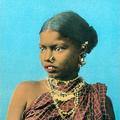
The sitter's expression is among the more memorable antique postcard portraits.
The sitter's expression is among the more memorable antique postcard portraits.
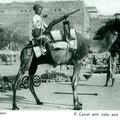
One of the more unusual forces in Rajputana during the Raj was the Bikaner Camel Corps which "had such camels also on which 'jujarbas' or small cannon were mounted" (Nandakiśora Pārīka, Jaipur that was: royal court and the seraglio, p.

A moody postcard illustrating a manufacturing step in the jute export industry. Jute packaging materials were used around the world, particularly in gunny bags.
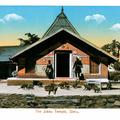
Edward Buck in Simla, Past and Present (1925) tells the story of Charles de Russet, son of a local French photographer and merchant. Charles dropped out of the nearby Bishop Cotton School at the age of seventeen.
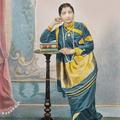
A classic late 19th century pose, with a three-legged Victorian table, books for the woman to rest her arm on, and painted studio backdrop.
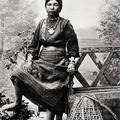
"The professional photographers of Darjeeling generated innumerable prints depicting those whose toil supported the lifestyles of the colonialists in their homes and businesses, and who created products they loved to consumer," writes Claire Harris
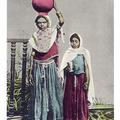
A rather rare postcard of Sindhi female water carriers, even if it was posed in a studio, and, on the back addressed from Kirkee cantonment near Poona on May 2, 1917: "I see the women go through camp every day carrying these pots, some are
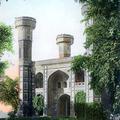
The Chaburji gateway is the entrance to a lost Mughal garden. Apparently built around the 1640s, its construction is linked to the Mughal Emperor Akbar's daughter, Zebunnissa Begum.
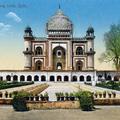
The low angle of this splendid postcard of the mid-18th century tomb of Nawab Safderjung seems to widen at the bottom and reach towards the viewer. Note the two figures in white, almost invisible against the whitewash of the pedestal.
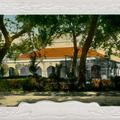
A particularly striking view of a colonial bungalow in northern India. Meerut was home to a major army garrison and cantonment during the Raj and in modern times. This card was in an embossed postcard frame. All attempts are decoding R.A.T.A.R.F.A.
