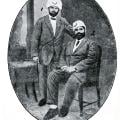
This card, with the handwritten title "Mr. Mahamad Ali and Mr. Shaukat Ali, Homerule leaders" was sent by B. Bhorey in Baroda to "Mrs. A.G. Strong Esq., Professor of Household Arts, Olaga University, Dunedin, New Zealand." By the late teens…
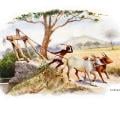
Another small masterpiece of postcard design by M.V. Dhurandhar - the canopied tree, the rope diagonal and man supporting himself with it while drawing the eye down to the title.
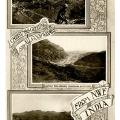
Ali Musjid was a mosque on a hill overlooking the Khyber Pass that was the scene of major battles for British control of the region during the 2nd Afghan War (1878-1880); Landikotal Fort was where British troops guarding the border with Afghanistan…
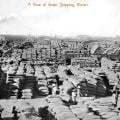
The wester Raj province of Sindh was part of Bombay Presidency until 1936, a sleepy backwater until an irrigation project along the lower Indus in 1932 started the transformation of Karachi into one of the world's largest cities.
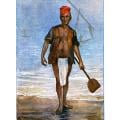
For many of the artists in Bombay towards the end of the 19th century, fishermen and women were among the more striking inhabitants of the growing metropolis, visible on the long shorelines, sketched and painted frequently.
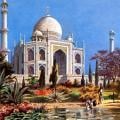
A more unusual side view of the Taj at the turn of the century, around the time when the frontal view most of us are used to today was becoming the iconic image of India.
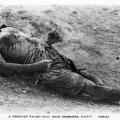
This kind of postcard, showing the corpses of "raiders" who were said to have come to settled and cantonment areas in search of loot and were often also called "loosewalas" are found only in significant numbers in what was the former North West…