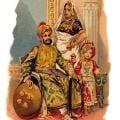
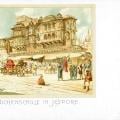
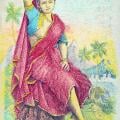
Many of the earliest postcards were actually advertising cards, given the expense of producing lithographic cards like this French view of a 17th century Nawab and son. The woman in the back holds a nautch girl's pose.
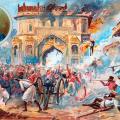
The back of this advertising card for "Price's 'Lighting Tapers,' for lighting candles, gas, &c, White or coloured, in various thicknesses, and 12 or 22 inches long," provides this caption about what is also known as the First War of Independence or…
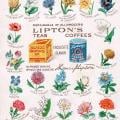
An early Lipton's advertising postcard; the firm used postcards very effectively to spread the new habit of tea drinking and associate it with its brand of Ceylon-grown teas.
There are few intimations of relations between Europeans and Indians on postcards – or other media for that matter – making this postcard a startling exception. “Stay quiet about it,” says the sweeper in Hindu-Urdu. “Sure,” replies the soldier.
Hobson Jobson (1903) the great dictionary of Indian words in English, defines "Dhoby, Dobie s. A washerman; H. dhobi [from dhona, Skt. [Sanskrit] dhav, 'to wash.'] In colloquial Anglo-Indian use all over India.
An extremely rare early postcard by an little-known lithographer, W. Cooper, in Bombay. It looks to crude to have been made at The Ravi Varma Press. Cooper seemed to prefer risque images.
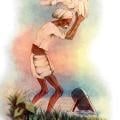
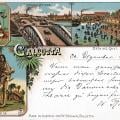
A fourth card in Rossler’s 1897 lithographic series of Calcutta features a fakir, the male counterpoint to the nautch dancer. Above the fakir is his spiritual guide along lifelong wanderings, Lord Shiva.
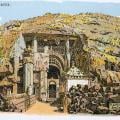
An early court-sized postcard by Paul Gerhardt, chief lithographer at The Ravi Varma Press in - yes - Karli, outside Bombay. The firm moved its premises here in the late 1890s.