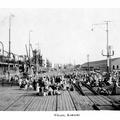
Wharf, Karachi
Johnny Stores - run by a man named Janki Das - was one of Karachi's most prominent postcard publishers from the 1920s through 1940s.
Major Indian famines were caused by droughts and poor food distribution policies. Though uneven rainfall was a major cause of Indian famines in the 19th century, faulty administrative and economic policies were equally responsible.
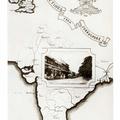
An understated, nicely designed "Greetings from" postcard from the cantonment in Jubbulpur in the Central Indian state of Madhya Pradesh. The insignia suggests it was published for or celebrated the Royal Field Artillery (RFA) then based here.
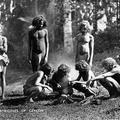
The original inhabitants of Ceylonese island, now called Sri Lanka, as far as we know were Veddas.
A humorous postcard from British Indian army's Waziristan, North West Frontier Province 1919-20 campaign.
Lloyd Barrage is now called the Sukkur Barrage
Lloyd Barrage was opened 1932 in Sind province on the lower Indus River area. It was the largest irrigation project ever undertaken, and brought over 6 million acres under cultivation.
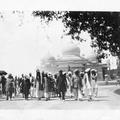
This annual festival in honor of Lord Shiva's marriage to Parvati Devi is still celebrated by the Hindu community in Clifton, near the beach in Karachi.
A real photo postcard presented with compliments from the Murree Brewery Company (note bucket in seated man's hands), and title in back in pencil "Camp Adonia." Likely to have been before 1905 because the back is undivided.
Srimati Sarojini Naidu, also known as the Nightingale of India, for her poetry.
Sarojini Naidu (February 13, 1879 - March 2, 1949), known as Bharatiya Kokila (The Nightingale of India), was a child prodigy, freedom fighter, and poet.
A fakir is a hermit who often lives in seclusion and devotes his life to religion.