Ganeshkind Avenue, Poona

Published for the Scottish Mission Industries, Pune, this card is a reminder that many Tuck India cards were sponsored by local retailers.
Published for the Scottish Mission Industries, Pune, this card is a reminder that many Tuck India cards were sponsored by local retailers.
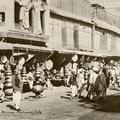
"Peshawar City was important in Graeco-Buddhist times and its coppersmiths' bazaar must have started then," wrote Randolph Holmes, proprietor of the studio which published this postcard in a later memoir, Between the Indus and Ganges Rivers. "The
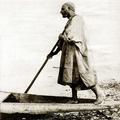
A carefully composed photograph by Fred Bremner of a Kashmiri "Hanji" as he called the same man in a closer image, also used as a postcard.
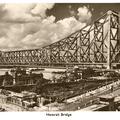
The Howrah Bridge was constructed between 1936 and 1942. It replaced the Floating Pontoon Bridge that connected Howrah and Kolkata (then Calcutta). The Howrah Bridge was opened to public in February 1943. The Howrah Bridge was renamed as Rabindra
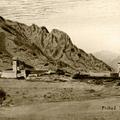
This image probably dates from the 1890s and was made by William Darcia Holmes, the father of Randolph Holmes who published these postcards from their Peshawar studio.
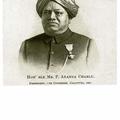
Much of the initial Independence struggle was peaceful, led by often hardly remembered Anglicized lawyers like Mr. P.
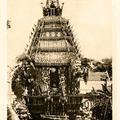
It can be difficult to date Tuck's postcards because their numbering system – series that included India cards went from about 600 to almost 10,000 – was note entirely chronological.
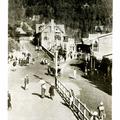
Were Indians allowed on the Mall in Shimla?
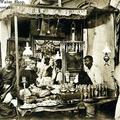
A postcard that reflects how easily Kolkata mixed past and present at the turn of the century. Paan is an ancient cornucopia of spices and nuts wrapped in a betel leaf. Next to it are cooling soda bottles.
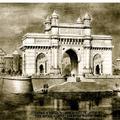
[Original caption] Gateway at Bombay to Commemorate the Landing of Their Imperial Majesties King George V & Queen Mary on 2nd December 1911. [end]
This card to celebrate the inauguration of the Gateway to India in 1924 was published in connection
