Plague Patients.
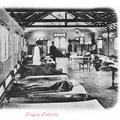
Illustrated postcards actually came to Mumbai at an inauspicious moment.
Illustrated postcards actually came to Mumbai at an inauspicious moment.
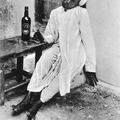
These kinds of offensive postcards seem to have been part of series by both Higginbotham's and their main competitor in South India, Spencer & Co.
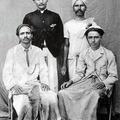
A rare postcard of Moplah men. Moplahs were the descendants of Arab traders on the Malabar coast and local women.
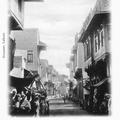
Bremner was among the very earliest postcard publishers of SIndh, and included a handful of views of Sukkur, a town not often photographed by colonial residents.
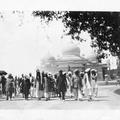
Sandeman Memorial Hall in the background was built expressly to bring together Balochistan's various tribal leaders to negotiate and settle disputes between themselves and the British Indian government.
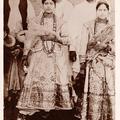
Every city had its female dancers, or "nautch women" and they were often showed with the musicians who played, assisted and sometimes protected and managed them as well.
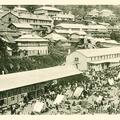
A black and white version of the colorized postcard Darjeeling. The Bazaar.
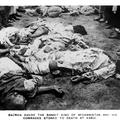
Contemporary accounts of how Hamid Kalkani died are unclear. Nadir Khan is said to have chased him to his village in October 1929 where he was stoned to death by residents which this postcard may show.
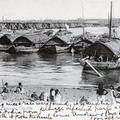
Handwritten on the back is a part of a longer message that discusses the plague then present in Bombay: “A poor soldier got it but recovered a Sergeant’s child died of it & Major Murray has been very ill and is only a little better.
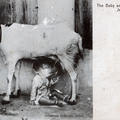
This postcard by the Jaipur-based firm Gobindram Oodeyram shows a little boy with the teat of a goat somewhat crudely photoshopped into his mouth (probably two superimposed images). To a European buying the postcard in colonial times, it would seem
