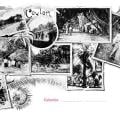
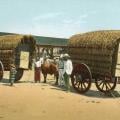
A later "Greetings from" postcard where the divided back, allowing people to write messages on the back of cards in addition to the address, allowed the publisher to put many more photographs of the place on the front.
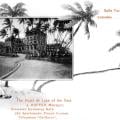
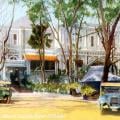
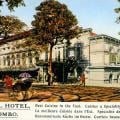
An exceptionally well put together early advertising postcard. The palm trees around the hotel image extend the real ones inside the frame, the one on the top right seems to jut out from the actual ones.
The term mendicant refers to begging or relying on charitable donations, and is most widely used for religious followers or ascetics who rely on charity to survive.
The Mount Lavinia Hotel was originally built in 1806, and after falling into disrepair, Mount Lavinia House was rebuilt in 1830 by the British Governor Edward Barnes at a cost of 30,000 pounds.
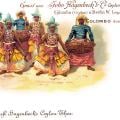
Plate & Co. in Colombo dominated the postcard trade on the island of Ceylon (now Sri Lanka), and sold half a million postcards in 1907 alone, an enormous sum for a single publisher.
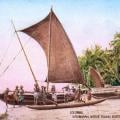
[Original caption] Catamaran-Native Fishing Boat. These, as well as the canoes of Ceylon, are very picturesque. The fine human figures of the crew, the dark sails against a deep blue sky, would give an artist continual delight.
Hotel advertising postcards played an important role in the rise of the medium; they are often found in guest rooms today too, ready to send home and market the establishment where a loved one is staying.
In the 1860's the coffee rust fungus disease destroyed much of the the coffee industry of Sri Lanka. In the late 1860s, a Scotsman named James Taylor established the first multi-acre tea plantation in the country.
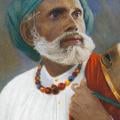
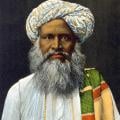
An unusual postcard in the use of so much black, which beautifully brings out the portrait of this man, his beard and clothing (black was expensive for printers due to the amount of ink consumed).