Naina Devi Temple
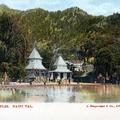
[Verso, handwritten] "Buddhist temple from which Naini Tal takes its name. Immediately behind this is the polo ground."
[Verso, handwritten] "Buddhist temple from which Naini Tal takes its name. Immediately behind this is the polo ground."
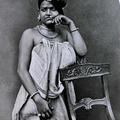
Early postcards from the Malabar Coast are uncommon.
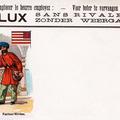
An early Belgian advertising card for Lux – but not the soap!
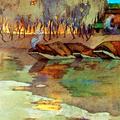
A postcard by what was probably an amateur artist, Miss L. Barne, in Madras who self-published the card as a series of six cards. [Verso] "To be obtained from Miss Barne, St. Ebbas, Madras, and from Miss Farnell, 56, Manchester Square, W. I."
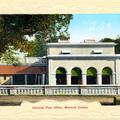
Postcards of post offices at the turn of the century were quite popular, as if celebrating an institution and network that was becoming more important as image postcards and communication volume increased throughout the continent.
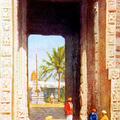
A standout Tuck's postcard of one of the oldest temples in the city, with the tall dark gateway set-off against the people and view of the temple inside.
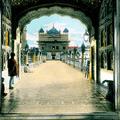
A coloured collotype postcard where the golden hues on the stones have been emphasized to add to the splendor of the building.

A popular figure specific to early South Indian postcards is the toddy drawer. Palm wine was made from sap collected from trees in little pouches.
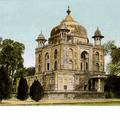
The Tomb of Khusru, the son of Mughal Emperor Jehangir. Prince Khusrau (Khusru) was favored by his father, the Mughal Emperor Jehanghir, to succeed him.
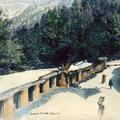
Snow blankets Barian, a town near Murree hillstation in the Punjab. Baljee was an army photographer based in Murree whose large albumen prints (note the title in the negative at the bottom left) were published as coloured collotype postcards.
