The Roberts Statue, Calcutta
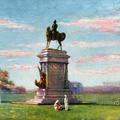
From the earliest Tuck's Kolkata postcard series, when the firm did not print its later standard captions on the back of each card.
From the earliest Tuck's Kolkata postcard series, when the firm did not print its later standard captions on the back of each card.
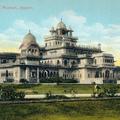
Compare this to an earlier color postcard of the Albert Museum by the same firm from the same image, made when color printing of postcards from photographs was much less sophisticated, at least on a level where costs were low enough for mass consumer
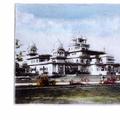
A very early postcard of Jaipur, made from an albumen print, title and photographer visible in white where it was inscribed onto the albumen negative. The color was applied through hand-tinting. Compare to a colorized postcard of the same image made
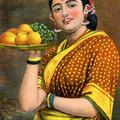
The successful colorization of what was originally a black and white photograph is exemplary.
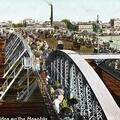
The pontoon bridge that bound the railway station and other sites on the farther bank of the Hooghly river to the main city in the foreground (it was replaced in the late 1930s by the iron Howrah Bridge). While this postcard was likely from a
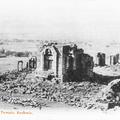
The Hindu Martand Temple, built during the 8th century, was dedicated to Surya the Sun Goddess.
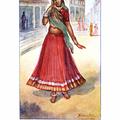
A classic Dhurandhar portrait. The growing metropolis of Bombay with its modern buildings form the backdrop to a fully formed character, in traditional dress, with a quizzical expression on her face. Does she understand what is happening around her?
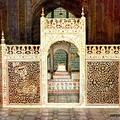
[Original caption] Interior of Taj, Agra. One of the most graceful and most impressive sepulchres in the world.
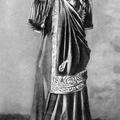
This postcard actually shows Gohar Jan, India's first gramophone recorded artist (1902) and the most famous singer of her time.
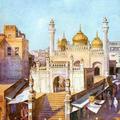
[Original caption] Golden Mosque, Lahore. This mosque has three gilt domes and was built in 1753 by Bikhari Khan, a favorite of the widow of Mir Mannu, who governed Lahore a short time after her husband's death.
