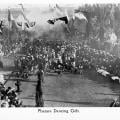
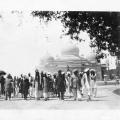
An annual tradition in Peshawar in the early part of the 20th century and probably well beforehand, Peshwar's nautch women would dance through the streets watched and cheered by thousands of onlookers.
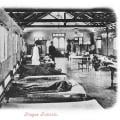
Illustrated postcards actually came to Mumbai at an inauspicious moment. The increased ship traffic from Hong Kong and South Africa brought the bubonic plague back to Mumbai in 1896.
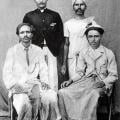
The word "Pariah" owes its origin to the Pariah caste of the Hindu society of India. Pariah originally referred to a person belonging to a low caste of southern India, and then someone who is isolated from the society, or considered different by…
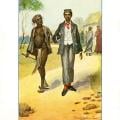
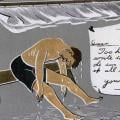
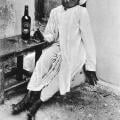
These kinds of offensive postcards seem to have been part of series by both Higginbotham's and their main competitor in South India, Spencer & Co. They show servants in various acts of revolt, dereliction or other transgressions that would have made…
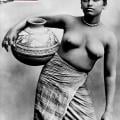
Plate & Co., like many Ceylon-based firms, published semi-nude postcards of women, more common here than even in South India, including this card with a nicely placed purple stamp.
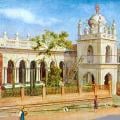
[Original caption] The Jummas Masjid, Old Poor House Road. Jumma Masjid means "Friday Mosque" they say, and so it is not surprising that more than one Indian temple bears the name.
One of Fred Bremner's favorite images, also found in his autobiography. Wandering through Kashmir he wrote ". . . the eye may sometimes rest on a figure slowly gliding through mid-air with no apparent support whatever. . .
Sandeman Memorial Hall in the background was built expressly to bring together Balochistan's various tribal leaders to negotiate and settle disputes between themselves and the British Indian government.