Famine relief Work. Digging the big well
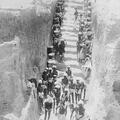
While it is unclear where and when this postcard was taken, it could have been in 1899-1900 when there was a large famine in Hyderabad with relief works photographed by Raja Lala Deen Dayal.
While it is unclear where and when this postcard was taken, it could have been in 1899-1900 when there was a large famine in Hyderabad with relief works photographed by Raja Lala Deen Dayal.

The Cordite Factory in Aruvankadu, India, is a significant defense establishment with a rich history and important role in India's ordnance production.
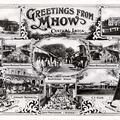
There are 14 images in this carefully constructed postcard of a cantonment town in Central India now known as Dr. Ambedkar Nagar (after the first great leader of India's Dalit community). The publisher, K.
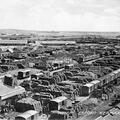
By 1899, Karachi had become the largest wheat and cotton exporting port in South Asia. The port's significance in wheat exports grew rapidly, and by 1910, Karachi handled greater quantities of wheat than any other port in the British Empire.
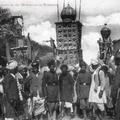
Not too far back, the local Hindu, Sikh and Christian communities would participate in the Shia Taziah processions in Peshawar.
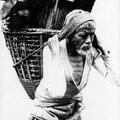
Many postcards speak to the physical labor that allowed residents of hillstations to warm their homes and cook their food, often leading men and women with permanently bent backs.
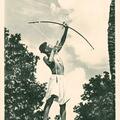
[Original caption, Verso, translated
Santals are an Austroasiatic-speaking Munda ethnic group in Bengal, Bihar and elsewhere.
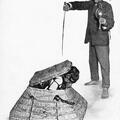
A thematically most unusual postcard.
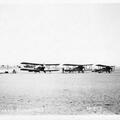
An early British Royal Air Force base in Pishin, Balochistan, near the Afghan border and what was then Northwest Frontier Province where the British were engaged in suppressing tribal resistance throughout the 192s and 1930s.
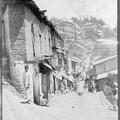
A view from inside the hillstation of Murree's bazaar, usually shown from the top down. The Mall Road is upwards to the left, and was where the European-owned and focussed stores were.
