Tiger, Jaipur
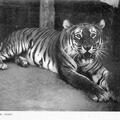
Most postcards of tigers during this period were of ones killed during hunting expeditions. with this being a refreshing exception even as the animal is likely confined in a small space.
Most postcards of tigers during this period were of ones killed during hunting expeditions. with this being a refreshing exception even as the animal is likely confined in a small space.
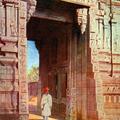
[Original caption] The Glorious Gateway. It is impossible in a few lines to tell the wonders of Indian architecture.
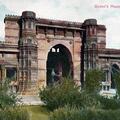
Among the earliest postcards – and certainly early color postcards – of Ahmedabad is this view of Rani Rupamati's Mosque, built in the early 15th century and still standing.
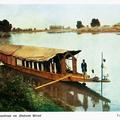
Houseboats on the Dal Lake, which included bedroom(s), kitchen and a bathroom were a favorite postcard subject, popular then as in modern times among tourists and local inhabitants.
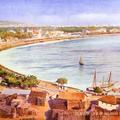
[Original caption] Bombay View of Malabar Hill & Chowpatty. A beautiful scene admired by all classes, and where many congregate on an evening. [end]
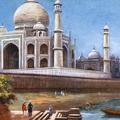
[Original caption] The Taj Mahal, from the River. It is said that Shah Jehan designed a bridge to connect this last resting place of his wife with a similar Taj on the far side of the river.
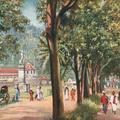
[Original caption] Sacred Temple of Buddha's Tooth, Kandy. This, the Temple of Maligawa, was built for the purpose of enshrining that priceless Buddhist relic, the Tooth of Gautama Buddha.
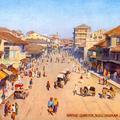
[Original caption] Native Quarter, Null Bazaar, Bombay. One of the principal highways, is typical of the many animated thoroughfares of this busy city.

Before the Mar Nala (canal) was built, the excess water of the Dal Lake flowed into river Jhelum at Habba Kadal. This view was published by F.
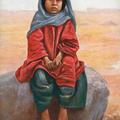
[Original caption] An Afridi Girl. The Afridis are an Afghan or Pathan people, numbering about 300,000, inhabiting the moutainous region south of the Hindu-Kush. They consist of a number of separate clans, often at feud with each other.
