An Indian Woman travelling in the Manshil
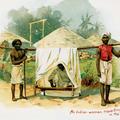
A very early postcard printed in India, most likely by The Ravi Varma Press and drawn by its chief lithographer Paul Gerhardt.
A very early postcard printed in India, most likely by The Ravi Varma Press and drawn by its chief lithographer Paul Gerhardt.
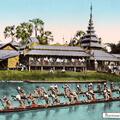
An unusual scene in this postcard by what was British Burma's premiere postcard publisher. The 1900 guide Burma by Max and Bertha Ferrars describes the use of these canoes: "The boat-races are held at the Thadindyut festival.
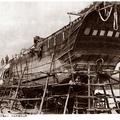
An atypical postcard that shows a ship in dry dock.
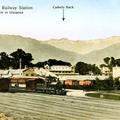
A geographically instructive postcard, which helps the traveler locate themselves on the way to Mussoorie, almost 40 kilometers from the railway station. The famous "Camels Back" hump is also pointed out. The steam on the railway engine looks real.
![[Zenana Carriage]](https://www.paperjewels.org/sites/default/files/styles/square_thumbnail/public/slides/carriage_0.jpg?itok=qY5XcnEW "[Zenana Carriage]")
A hand-painted postcard; given that cards retailed for one anna around this time, maybe two, after materials, one can only imagine how little the bazaar artist was paid.
[Verso handwritten] "Cawnpore [Kanpur]. Dec.
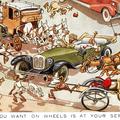
Merton Lacey was an Anglo-Indian comic book artist and animator, based in Kolkata and born in Purulia, India in 1902. This card has a 1945 calendar on the back, and shows troops in the country as part of the Allied effort against the Japanese.
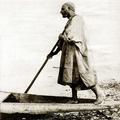
A carefully composed photograph by Fred Bremner of a Kashmiri "Hanji" as he called the same man in a closer image, also used as a postcard.
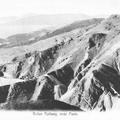
The Khojak tunnel, opened in 1892, is almost 2.5 miles in length and passes through the hills shown here.
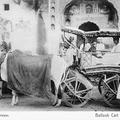
There is actually a lot of interesting information on this card. The cart and draped cows are clearly high-end. The boy seems to be on his way to a ceremony or event of some importance.
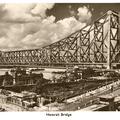
The Howrah Bridge was constructed between 1936 and 1942. It replaced the Floating Pontoon Bridge that connected Howrah and Kolkata (then Calcutta). The Howrah Bridge was opened to public in February 1943. The Howrah Bridge was renamed as Rabindra
