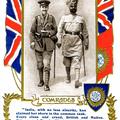
Comrades
"India, with no less alacrity, has claimed her share in the common task. Every class and creed, British and Native, Princes and People, Hindoos and Mahomedans, vie with one another in a noble and emulous rivalry.
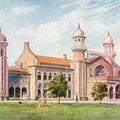
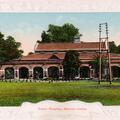
Hospitals found there way on to many postcards, symbols of progress that probably reflected colonial health concerns.
This is what collectors call a "brushstroke" postcard, where the printer has slightly embossed the image.
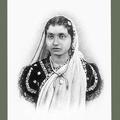
This striking image of a Bengali woman was apparently first published by a Greek tobacconist based in Kolkata, Nestor Gianaclis, and later also published in different variations by D.
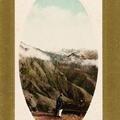
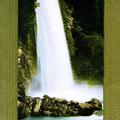
As competition among postcard publishers intensified between 1905 and 1910, each tried to outdo the other with new formats offered by the German printers who served much of the Indian market.
For a beautiful postcard like this, we might reach for an excerpt by Nirad Chaudhri (1897-1999). Even if written about a different railway station, in East Bengal, it shows how impactful trains were to those in India at the turn of the century.
An embossed frame sets off a rare early postcard of what is presumably the famous Pushkar fair, with the colonial perspective of a onetime owner scrawled across the top: "Does not look much like our Cattle Shows."
The Round Temple of Mumbai is also known as the Gol Dewal, on what is now Sardar Vallabhbhai Patel Rd. It is also famous for the stone market situated on both sides of it. This market is considered the city's oldest.
[Original caption] Catholic Cathedral, Lahore. Among the many fine buildings in modern Lahore the noble church in the picture is well worthy of notice. The many trees in its vicinity give quite an English appearance.
A later "Greetings from" postcard printed by premiere British publisher Beagles on behalf of a Rawalpindi-based publisher who would have sold this to British troops in cantonments like Rawalpindi, in this case members of the Royal Garrison Artillery