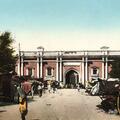
Telegraph Office - Calcutta
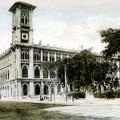
It is hard to overestimate the importance of the telegraph, introduced in 1840 to the Raj, as this grand edifice dedicated to the new medium and constructed in the 1870s suggests.
It is hard to overestimate the importance of the telegraph, introduced in 1840 to the Raj, as this grand edifice dedicated to the new medium and constructed in the 1870s suggests.
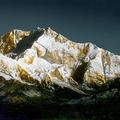
Kanchenjunga, the third highest mountain in the world, owes its name to the combination of two Tibetan words namely 'Kanchen' and 'Dzonga' that refers to 'Five Treasures of the Great Snow'. Five summits adorn Kanchenjunga (Kinchunjunga). From
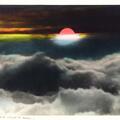
The photographer S. Singh seems to have specialized in real photographs carefully coloured by hand after printing. The anonymous owner of this card wrote on the back: "Sunrise on the sea of clouds as we watch it touch Mt.
One of the most distinctive features of South Asian cities throughout history has been the named city gates facing other major trading partners. Delhi Fort, for example, has its Lahore Gate.
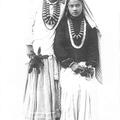
S. Singh likely printed his own postcards from photographs given the hand-titling, often slightly different on each postcard.
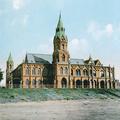
Government College (now a university) is one of the oldest colleges in Pakistan and currently has more than 6000 students and 300 faculty members. Many of Pakistan's elite and ruling classes studied or taught here, including the poets Dr.
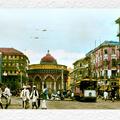
The Round Temple of Mumbai is also known as the Gol Dewal, on what is now Sardar Vallabhbhai Patel Rd. It is also famous for the stone market situated on both sides of it. This market is considered the city's oldest.
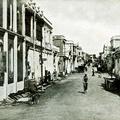
A popular image of Commercial Street in Bangalore by one of its most popular studios run by M. C. H. Doveton. Note that the poster on the left has the word "War" readable which suggests it is from around the first World War I period.
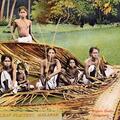
Early postcards from the Malabar coast seem to be relatively rare. In the message below, "Dusk" seems to be a dog.
[Verso] "6-5-20. Aren't they smartly pretty? I expect Dusk would like to bite this calf don't you?
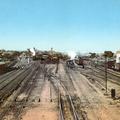
From today's perspective, an unusual subject given the lack of beauty, architectural significance or human type that grace most early postcards.
