A Hindu Sanyasi
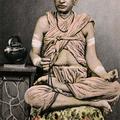
A sanyasi, also spelled sannyasi, refers to a Hindu ascetic or religious renunciant who has given up worldly possessions and attachments to pursue spiritual goals. The word sanyasi has its roots in Sanskrit.

A sanyasi, also spelled sannyasi, refers to a Hindu ascetic or religious renunciant who has given up worldly possessions and attachments to pursue spiritual goals. The word sanyasi has its roots in Sanskrit.
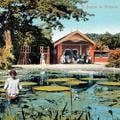
Victoria Gardens, now known as Veermata Jijabai Bhosale Udyan or Rani Bagh is Mumbai's oldest public garden and was established in 1862 and spans 50 acres in the Byculla area.
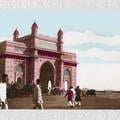
A triumphal arch erected to commemorate the visit of King George V and Queen Mary in 1911, it was completed in its present form in 1924. The Gateway of India was built in the Indo-Saracenic architectural style, combining multiple design elements and
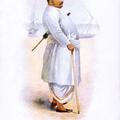
A fine portrait by M.V. Dhurandhar of a Gujarati broker. Gujrati brokers played a pivotal role in Bombay's commercial development during the late 19th and early 20th centuries.
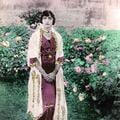
These real photo was both hand-tinted, and, unusually, golden glitter also applied on the woman's wrap.
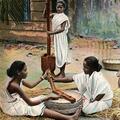
Postmarked Montral December 22, 1907 and sent to Miss Undine [?] Hemming, 213 West 16th St., Los Angeles, CA with this message: "14 Helen St., Montreal. Dear Undine, Have not had a word from any of you for quite a long period.
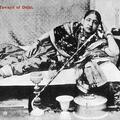
The word "tawaif" comes from the Arabic word "taifa", which means "group" or "troupe." In early India, courtesans were often referred to by the Sanskrit word "ganika". These women were skilled in the arts and entertained wealthy patrons.
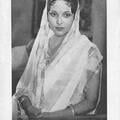
Devika Rani was a pioneering figure in Indian cinema, often hailed as the "First Lady of Indian Cinema." Born on March 30, 1908, in Visakhapatnam, she was the grand-niece of the Nobel Prize-winning poet Rabindranath Tagore.

Postmarked January 30, 1909, mailed to E.G. Joeloor [sp?] Esq., Chapel House, Chapel St. , Camborn, Cornwall, England with this message: "How would you like to go around the promenade like these two kids. Eh? Did you get the money alright? I hope so.
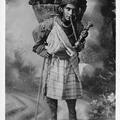
A charcoal seller she may have been, but the nose ring, choker and hookah suggest she had other skills too. This is likely a woman as she seems to be dressed in a typical Pahari style of the era.
