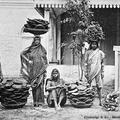
Manure Dryers, India
[Verso, in pencil] "You think your job is bad?" [end]
[Verso, in pencil] "You think your job is bad?" [end]
Postmarked Calcutta January 12, 1912 and sent to Ed Froehmer [sp?], Seward, Nebraska, USA.
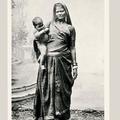
[Verso] "Calcutta, India January 1012. This is the way that an Indian mother carries her child."
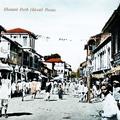
Connaught Circle was built as part of Lutyen's Delhi between 1929 and 1933 to be the principal commercial plaza of New Delhi. Rangoon Studio was a well-known photographic studio at 58, Janpath and seems to have closed later as rents rose.
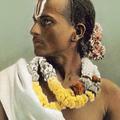
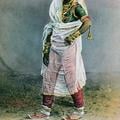
[Original German] Ein Tamulenjungling im Festschmuck, Ostindien. [A Tamil boy in festive adornment]
A memorable portrait by a German missionary organization.
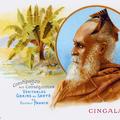
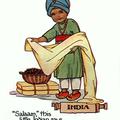
A standard depiction of the colony as a trunk full of raw materials, this series seems to have been started in the 1900-1910 period and persisted into the 1940s.
This postcard is postmarked Anerle, May 5, 1942 and sent to a Miss Pound, Jubilee
Bhistees supplied water to households and regiments
In the past, water carriers used cured hides of animals to carry water. Today animal hides have been replaced by bottles and jars of plastic.
"In any town in India the European Club is the spiritual citadel, the real seat of the British power, the Nirvana for which native officials and millionaires pine in vain," wrote George Orwell in his first novel, Burmese Days (Chapter 2). First
[Original handwritten message, verso] "25/11 Dear David, These are the funny old carriages which we see every day in Calcutta. The old lady has been shopping for Christmas."
An fascinating article on the artist behind this postcard, George Darby, by
A unusual two-image postcard, almost the only one from that most prolific of publishers, Moorli Dhur & Sons. It shows two men on their sides, one of whom is smoking an opium pipe. Such scenes are almost never shown in postcards (exception: an opium
One wonders where this photograph was taken, possibly in the Murree hills but it could have been elsewhere too.