
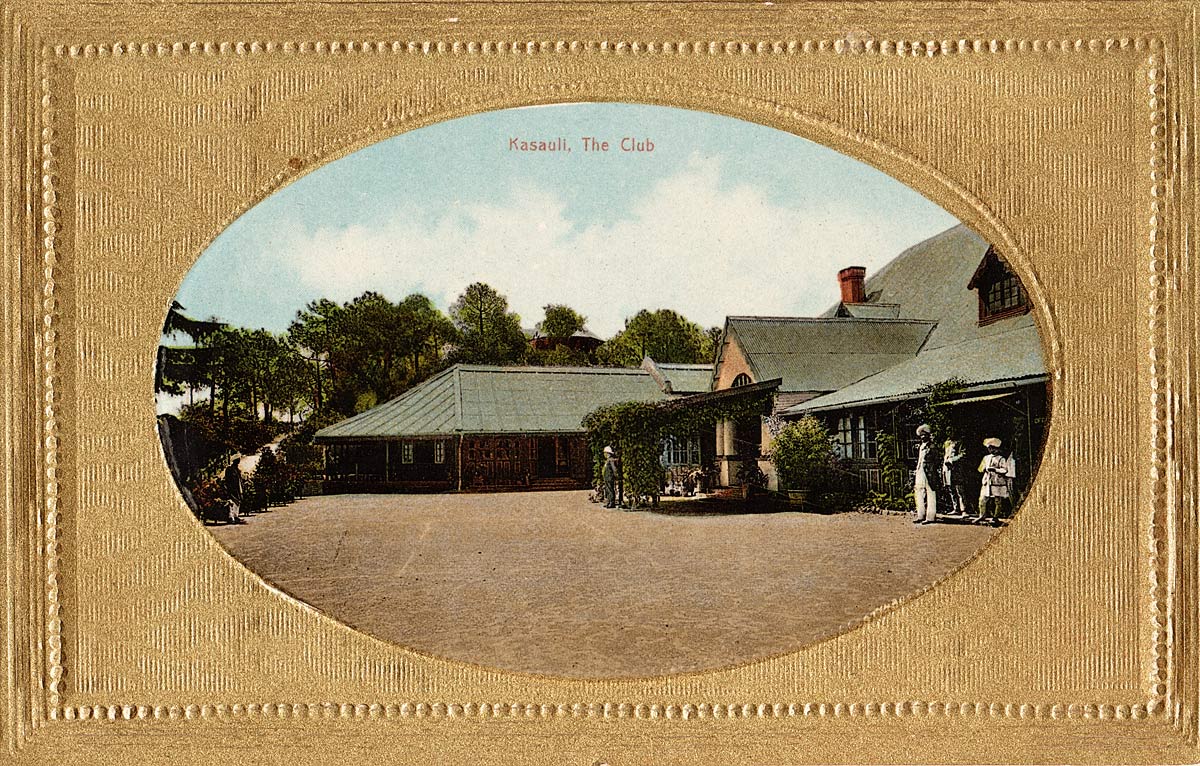
"In any town in India the European Club is the spiritual citadel, the real seat of the British power, the Nirvana for which native officials and millionaires pine in vain," wrote George Orwell in his first novel, Burmese Days (Chapter 2). First published in the US in 1934, and in his home country of Great Britain the next year because of fears it may be libelous, Burmese Days was an unsparing takedown of colonialism. Much of the plot centering around a fictitious club in Burma.
The main character, John Flory, a timber merchant, at one point thinks to himself: "The Indian Empire is a despotism—benevolent, no doubt, but still a despotism with theft as its final object. And as to the English of the East, the sahiblog, Flory had come so to hate them from living in their society, that he was quite incapable of being fair to them. For after all, the poor devils are no worse than anybody else. They lead unenviable lives; it is a poor bargain to spend thirty years, ill-paid, in an alien country, and then come home with a wrecked liver and a pine-apple backside from sitting in cane chairs, to settle down as the bore of some second-rate Club. On the other hand, the sahiblog are not to be idealized. There is a prevalent idea that the men at the ‘outposts of Empire’ are at least able and hardworking. It is a delusion. Outside the scientific services—the Forest Department, the Public Works Department and the like—there is no particular need for a British official in India to do his job competently. Few of them work as hard or as intelligently as the postmaster of a provincial town in England. The real work of administration is done mainly by native subordinates; and the real backbone of the despotism is not the officials but the Army. Given the Army, the officials and the businessmen can rub along safely enough even if they are fools. And most of them ARE fools. A dull, decent people, cherishing and fortifying their dullness behind a quarter of a million bayonets." (Chapter 5)