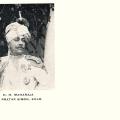
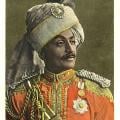
Sir Pratap Singh was particularly close to the British royal family, serving as aide-de-camp to Edward VII from 1887 to 1910 and maintaining ties with Queen Victoria and later George V. He is also credited with popularizing the Jodhpuri suit…
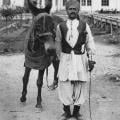
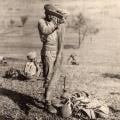
A muleteer in World War I was a mule driver/handler employed by an army’s transport services to move supplies (and sometimes evacuate wounded) using pack mules, especially where roads were poor and wheeled vehicles couldn’t operate.
Postmarked May 24, 1919, some six months after World War I was over, though the card itself is probably dated earlier. Note the European man apparently smoking a pipe in the background.
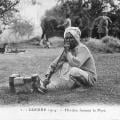
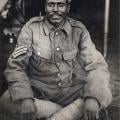
Postmarked Dec. 3, 1914, this portrait would have been made soon after the first soldiers from India arrived in France, where their presence was widely celebrated in the press and on postcards.
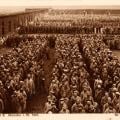
Prisoners, many of whom would have been from India, lining up at the German prisoner of war camp in Munster. Note that the postcard title is actually in French (L'Appel or Roll Call).
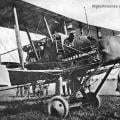
A British fighter plane, called "Rawalpindi" and named after the 29th Punjab regiment, brought down in apparently excellent condition by German forces during World War I. Note that the regiment, composed of Sikhs and Punjabi Muslims actually served…
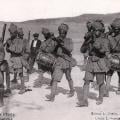
Indian troops in France brought their own music bands which created great interest among the French, who attended concerts in towns where these men performed. Note the dhols and flutes shown here.
Indian troops in France were supplied by their own cooks and bakers, with the scent of freshly baked naan in tandoori ovens often wafting over the countryside as reported by the journalists who accompanied them.