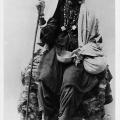
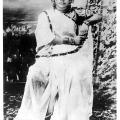
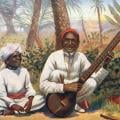
Women are often shown as dancers, rarely this elderly as beggars on postcards. This photograph was likely taken in a studio, with the woman sitting on a stone which might be covered with animal skins.
"Hindustani girls" was used to refer to women from "Hindustan," or the broad belt across northern India east of Punjab known as U.P., then "United Provinces" and now "Uttar Pradesh." It would have been a term appropriate to a Peshawar based…
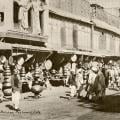
"Peshawar City was important in Graeco-Buddhist times and its coppersmiths' bazaar must have started then," wrote Randolph Holmes, proprietor of the studio which published this postcard in a later memoir, Between the Indus and Ganges Rivers.
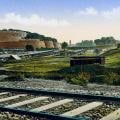
An unusual postcard in its deft juxtaposition of old and new, railway tracks and historic fort. The Bala Hisar Fort is Peshawar's largest landmark derives its name "Bala Hisar" from Persian, meaning elevated or high fort.
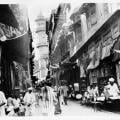
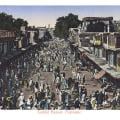
The central bazaar in Peshawar, capital of the North West Frontier Province (NWFP, now KPK) was a common postcard subject, even for distant publishers like H.A. Mirza in Delhi.
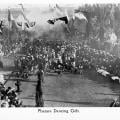
An annual tradition in Peshawar in the early part of the 20th century and probably well beforehand, Peshwar's nautch women would dance through the streets watched and cheered by thousands of onlookers.