P.S. Emperor of India
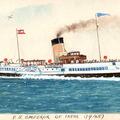
A poignant hand-painted card by an A. White, likely on this ship as it was leaving India after Independence.
A poignant hand-painted card by an A. White, likely on this ship as it was leaving India after Independence.
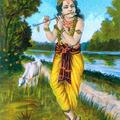
[Original handwriting, verso] "This musical instrument is called Murli. When Krishna brought the snake out of the Jamna river he played on this instrument and on that account he is also known as Murlidhar." [end]
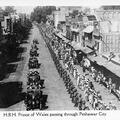
King George V (1865-1936) and Queen Mary (1867-1953) visited Peshawar from 2nd to 5th December 1905, as part of the Tour of India, but this real photo postcard was likely printed a decade or two later, so significant was this visit to British
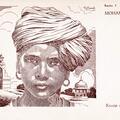
One of the few Dutch postcards of Indians, though these portraits often were striking, like this postcard of a Hindu.
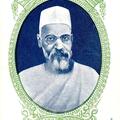
The elder brother of Sardar Patel and also a formidable politician, he was often at odds with Gandhi and founded the Swaraj Party.
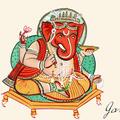
This hand-painted postcard has this message written across the back in ink, likely by a European owner: "Ganesh, Ganpati the elephant-headed God. The Hindus invoke his name when they commence any important business.
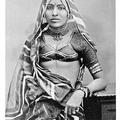
One can imagine that the textiles worn by the woman are vibrant with color, and the postcard could be spectacular hand-tinted, but the stripes still make for a billowing effect in black and white.
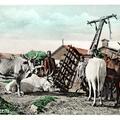
A unusually upturned (emptied) cart with yoke pointing to sky.
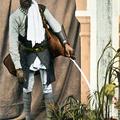
One could argue that the bhistee was the most common male postcard type at the turn of the 20th century.

One can only applaud the sender of this postcard, the careful positioning of the stamp, the postmark which seems to be from 1923. The card was not addressed, so was either sent in an envelope or kept.
