The Great Burning Ghat in Benares
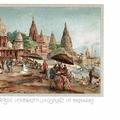
[Original German] Der Grosse Verbrennungs Platz in Benares [end]
One of the earliest artist-signed postcards of India.
[Original German] Der Grosse Verbrennungs Platz in Benares [end]
One of the earliest artist-signed postcards of India.
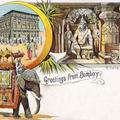
From an early "Greetings from" series by D.M. Macropolo & Co., a renowned Raj tobacconist with retail stores in Kolkata and Mumbai.

From an unusual later lithographic series, with some photographs by Raja Deen Dayal, and many of areas like this one around Hyderabad and including events like Lord Curzon's visit in 1903 to the State, it is nonetheless not at all clear that Dayal

This so-called "chromo-collotype" card was created by running an image derived from a black and white photograph through multiple color runs, after each color had dried, creating rich and translucent images.
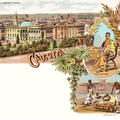
One of the earliest postcards of India, Calcutta, published by W. Rossler, a German or Austrian photographer in the city in 1897. Lithograph, Court sized, Printed in Austria. Undivided back.
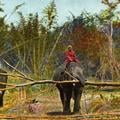
It is unclear where this image is from, but elephants were used during colonial times in Assam, Bengal and Malabar to haul logs out of forests.
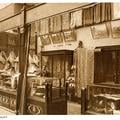
The Patiala State Court was one of the “courts” within the Indian Pavilion at the British Empire Exhibition in Wembley, 1924, a state-branded display space for Patiala’s produce, crafts, and commerce.
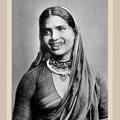
Smiles on postcards from the early 1900s are rather rare, possibly because most portraits required the sitter to stay still for many seconds while the exposure was made, especially in the 19th century when most portraits were struck and re-purposed
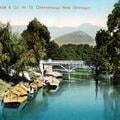
An exceptionally well-reserved postcard, with the deep blue of the water reflecting how these early color postcards appeared as jewels to consumers who had not seen printed color images so widely and inexpensively available until shortly after 1900.