Shahjahan And His Queen
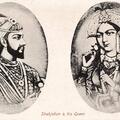
Mughal Emperors continued to live centuries after their death on postcards, most likely based on oval ivory portraits sold to tourists. The Queen here would have been Mumtaz Mahal, for whom Shah Jahan built the Taj Mahal.
Mughal Emperors continued to live centuries after their death on postcards, most likely based on oval ivory portraits sold to tourists. The Queen here would have been Mumtaz Mahal, for whom Shah Jahan built the Taj Mahal.
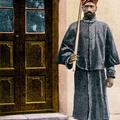
[Verso, handwritten in ink] "Magway [sp?] Upper Burma, May 22/18
My dear Bunny
That little letter you penned hasnt come yet, but I am hoping it will reach me soon.
How do you like this hobby [postcard collecting presumably]?
Best love
Daddy x x
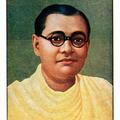
As we approach the August 18th death anniversary of Subhas Chandra Bose, one of the many inexpensive "bazaar cards," or images used by people to honor and show support to political leaders.
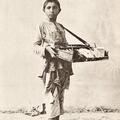
A rather impressive portrait, from a slightly low angle, giving the boy a certain grandeur. Unfortunately, a most rarely postcarded occupation.
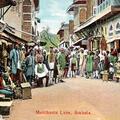
A most unusual postcard when one realizes that the sign is for the publisher, Harnam Dass and it is likely that part of the firm and its owner (in the all green kurta just right-of-center?) are among the people proudly posing in the bazaar.
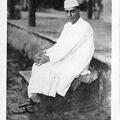
Phoenix Printing Works was one of the largest publishers of postcards of political leaders, including this less common casual view of Rashtrapati [President] Nehru in sandals.
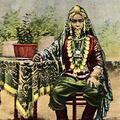
Behind an arsenal of jewelry in a photographer's studio sits a young girl.
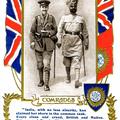
"India, with no less alacrity, has claimed her share in the common task. Every class and creed, British and Native, Princes and People, Hindoos and Mahomedans, vie with one another in a noble and emulous rivalry.
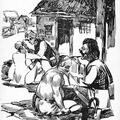
J. D. Gondhalekar (1909-1981) was an Indian artist from a Pune family that owned a successful printing press. He studied at the Slade School of Art in London and in the 1950s served as the Dean of the J. J. School of Art in Bombay.
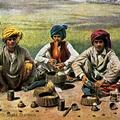
Given how ubiquitous the trope of snake charmers and India was in popular Western culture in the early 20th century, it is refreshing to find that they are not as common in postcards as one might expect. True, major publishers like Clifton & Co.
