Cotton Cart
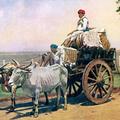
Cotton was the product that helped put 19th century Mumbai on the road to becoming one of the world's major cities. The product was celebrated on postcards like this virtual painting.
Cotton was the product that helped put 19th century Mumbai on the road to becoming one of the world's major cities. The product was celebrated on postcards like this virtual painting.
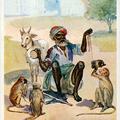
An Dhurandhar portrait of a familiar sight on Bombay streets, the multi-tasking juggler. Note once again the soft city backdrop.

Bullocks and bhistees served an important role in transporting fresh water to city residents.
Ensuring fresh water supply to the residents in a desert region was always difficult.
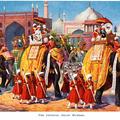
The Delhi Durbar of 1911 was one of the most "postcarded" events of the Raj, and the first time a reigning British monarch, George V and his wife Queen Mary (an avid postcard collector) attended.
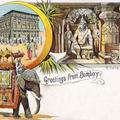
From an early "Greetings from" series by D.M. Macropolo & Co., a renowned Raj tobacconist with retail stores in Kolkata and Mumbai.
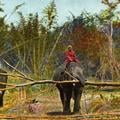
It is unclear where this image is from, but elephants were used during colonial times in Assam, Bengal and Malabar to haul logs out of forests.
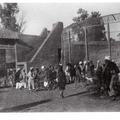
A rare candid shot of a zoo in colonial times. Apparently, Peshawar had a small zoo in the those times located in Shahi Bagh (the “Royal Garden”), a government-owned garden being developed into public pleasure grounds.
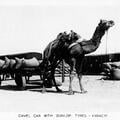
A captivating blend of technologies: in the back railway cars, transporting bags of wheat which find their way on to camel carts with brand name rubber tires. Camels were a popular means of transport in Karachi through the 1950s.
Postmarked Bombay,

A muleteer in World War I was a mule driver/handler employed by an army’s transport services to move supplies (and sometimes evacuate wounded) using pack mules, especially where roads were poor and wheeled vehicles couldn’t operate.
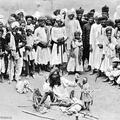
For all the popularity of monkey performers, their depiction on postcards, especially with a crowd watching (example without a crowd) is unusual.
